

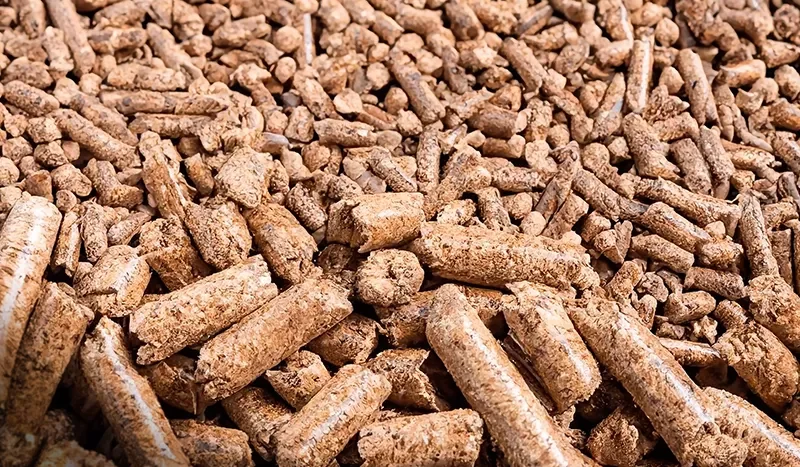
Industrial Wood Pellets Compliant With International Standards
The global shift toward cleaner, more sustainable energy sources has significantly increased demand for Industrial Wood Pellets. As industries across power generation, manufacturing, and large-scale heating systems seek reliable biomass fuel, compliance with international standards has become a critical requirement—not just a preference.
Industrial wood pellets are no longer judged solely on price or availability. Today, quality consistency, sustainability credentials, and adherence to global standards determine whether a supplier is trusted by international industries. This article explores why internationally compliant industrial wood pellets matter, what standards apply, and how global industries benefit from choosing certified biomass fuel.
Understanding Industrial Wood Pellets in the Global Energy Landscape
Industrial Wood Pellets are compressed biomass fuels made primarily from processed wood residues such as sawdust, wood chips, and forestry by-products. Unlike residential pellets, industrial-grade pellets are designed for large-scale combustion systems, including power plants, industrial boilers, and district heating facilities.
Their popularity is driven by several factors:
-
Renewable and low-carbon energy profile
-
High energy density and efficient combustion
-
Compatibility with existing coal or biomass infrastructure
-
Stable supply chains for long-term industrial use
However, not all industrial wood pellets are created equal. Variations in raw materials, production methods, and quality control can significantly impact performance and environmental compliance.
Why International Standards Matter for Industrial Wood Pellets
For global industries, fuel reliability and regulatory compliance are non-negotiable. Using industrial wood pellets that comply with international standards ensures operational efficiency while meeting environmental, safety, and sustainability regulations across different regions.
Key reasons international compliance is essential:
-
Operational Consistency
Standardized pellets provide uniform size, moisture content, and calorific value, reducing system downtime and maintenance issues. -
Environmental Responsibility
Certified industrial wood pellets support responsible forestry, low emissions, and sustainable supply chains. -
Regulatory Acceptance
Many countries require proof of compliance with recognized biomass standards before approving imports or usage. -
Risk Mitigation
Non-compliant fuel can lead to equipment damage, regulatory penalties, or supply disruptions.
Common International Standards for Industrial Wood Pellets
Global industries often rely on several internationally recognized standards to assess biomass fuel quality and sustainability. While requirements may vary by region, the following benchmarks are widely respected:
1. Quality and Technical Standards
These standards focus on pellet specifications such as density, durability, ash content, and energy value. They ensure pellets perform efficiently in industrial combustion systems.
2. Sustainability and Traceability Standards
Sustainability frameworks verify that wood pellets are sourced from responsibly managed forests, with full traceability from raw material to final product.
3. Emissions and Environmental Compliance
International standards also address lifecycle emissions, helping industries meet carbon reduction targets and ESG commitments.
Choosing Industrial Wood Pellets compliant with these standards allows companies to operate confidently across borders and markets.
Benefits for Global Industries Using Compliant Industrial Wood Pellets
Improved Energy Efficiency
High-quality pellets burn more consistently, delivering predictable energy output and optimizing fuel consumption.
Reduced Maintenance Costs
Low ash content and minimal impurities help extend equipment lifespan and reduce cleaning frequency.
Easier Market Access
Compliance simplifies cross-border trade, import approvals, and long-term supply contracts.
Stronger Sustainability Credentials
Certified industrial wood pellets support corporate sustainability goals and strengthen ESG reporting.
Long-Term Supply Stability
Standard-compliant producers typically operate with structured supply chains, ensuring reliability even during demand fluctuations.
Industrial Applications That Rely on Certified Wood Pellets
Industries worldwide depend on compliant Industrial Wood Pellets for a range of large-scale applications:
-
Biomass power plants
-
Industrial steam and heat generation
-
Cement and steel manufacturing
-
Food and beverage processing facilities
-
District heating systems
-
Co-firing solutions for coal power plants
In each case, pellet quality and standard compliance directly affect performance, emissions, and regulatory approval.
Challenges of Using Non-Compliant Industrial Wood Pellets
While lower-cost, uncertified pellets may appear attractive, they often introduce hidden risks:
-
Inconsistent combustion efficiency
-
Higher ash and slag formation
-
Increased system maintenance and downtime
-
Difficulty passing environmental inspections
-
Supply chain instability
For global industries, these risks often outweigh any short-term cost savings.
What to Look for in an Industrial Wood Pellets Supplier
When selecting a supplier for international operations, industries should evaluate more than pricing alone. Key considerations include:
-
Demonstrated compliance with international standards
-
Transparent sourcing and production processes
-
Consistent product specifications
-
Export-ready logistics capabilities
-
Proven experience serving global industrial clients
A reliable supplier understands that Industrial Wood Pellets are not just fuel—they are a long-term operational asset.
The Future of Industrial Wood Pellets in Global Markets
As governments tighten emissions regulations and industries accelerate decarbonization efforts, demand for compliant biomass fuels will continue to grow. Industrial wood pellets are positioned as a cornerstone of the global renewable energy transition, particularly in regions seeking to reduce reliance on fossil fuels without compromising energy security.
Future developments are expected to focus on:
-
Higher efficiency pellet formulations
-
Enhanced sustainability verification
-
Digital traceability across supply chains
-
Integration with hybrid renewable energy systems
Industries that invest early in compliant industrial wood pellets will be better positioned to adapt to evolving regulations and market expectations.
Why Compliance Is No Longer Optional
In today’s global industrial environment, compliance is not a technical detail—it is a strategic necessity. Industrial Wood Pellets that meet international standards provide measurable advantages in performance, sustainability, and regulatory readiness.
For global industries seeking reliable, future-proof biomass solutions, choosing certified industrial wood pellets is a decision that protects both operations and reputation.
Wood Pellets for Global Industries by TIMBR (Timber Biomass Energy)
Reliable Wood Pellets Compliant With International Standards
TIMBR (Timber Biomass Energy) provides premium Wood Pellets engineered to meet international quality, sustainability, and performance standards. Our products are designed to support global industries in achieving efficient energy production, regulatory compliance, and long-term sustainability goals.
With a strong focus on responsible sourcing, consistent quality, and export-ready supply chains, TIMBR is your trusted partner for industrial-grade biomass energy solutions.
Partner with TIMBR today and power your operations with world-class Wood Pellets you can rely on.